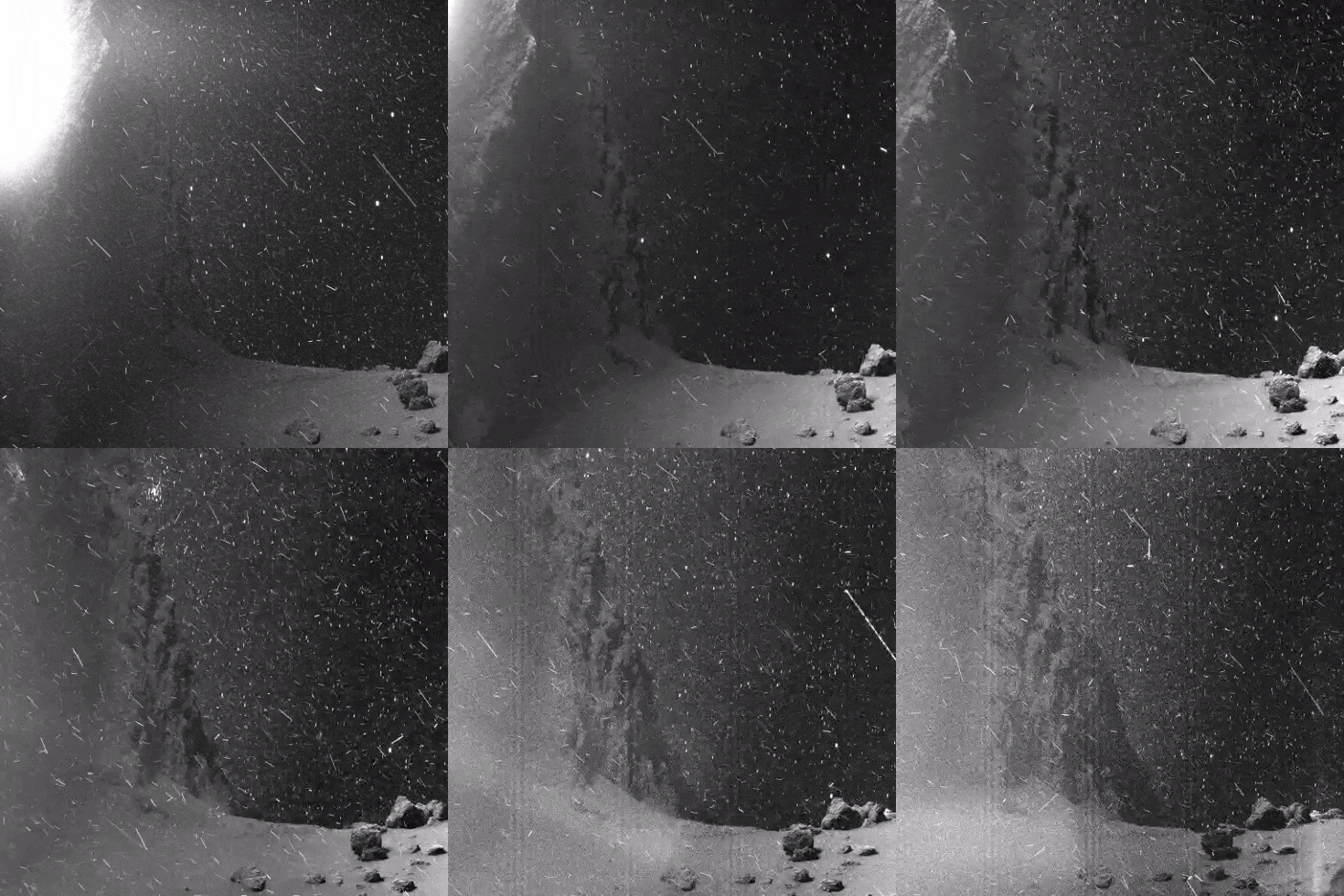
Remember Rosetta? That comet-chasing European Space Agency (ESA) probe that deployed (and accidentally bounced) its lander Philae on the surface of Comet 67P? This GIF is made up of images Rosetta beamed back to Earth, which have been freely available online for a while. But it took Twitter user landru79 processing and assembling them into this short, looped clip to reveal the drama they contained.
while the stuff in the foreground is dust/ice on the surface of the comet itself, the background is actually stars. i saw a stabilized video where you can really make it out, and it blew my mind.
here’s the stabilized clip, if anyone’s interested
This is a great video showing some of my favorite things about legless lizards: their tongues look like a cross of a snake and gecko tongue, they have cute blinky eyes, their jaws are much more solid than snakes and they can chew, and many have tougher scales than snakes which is why they have that seam on the sides, it gives them flexibility to eat and breath.
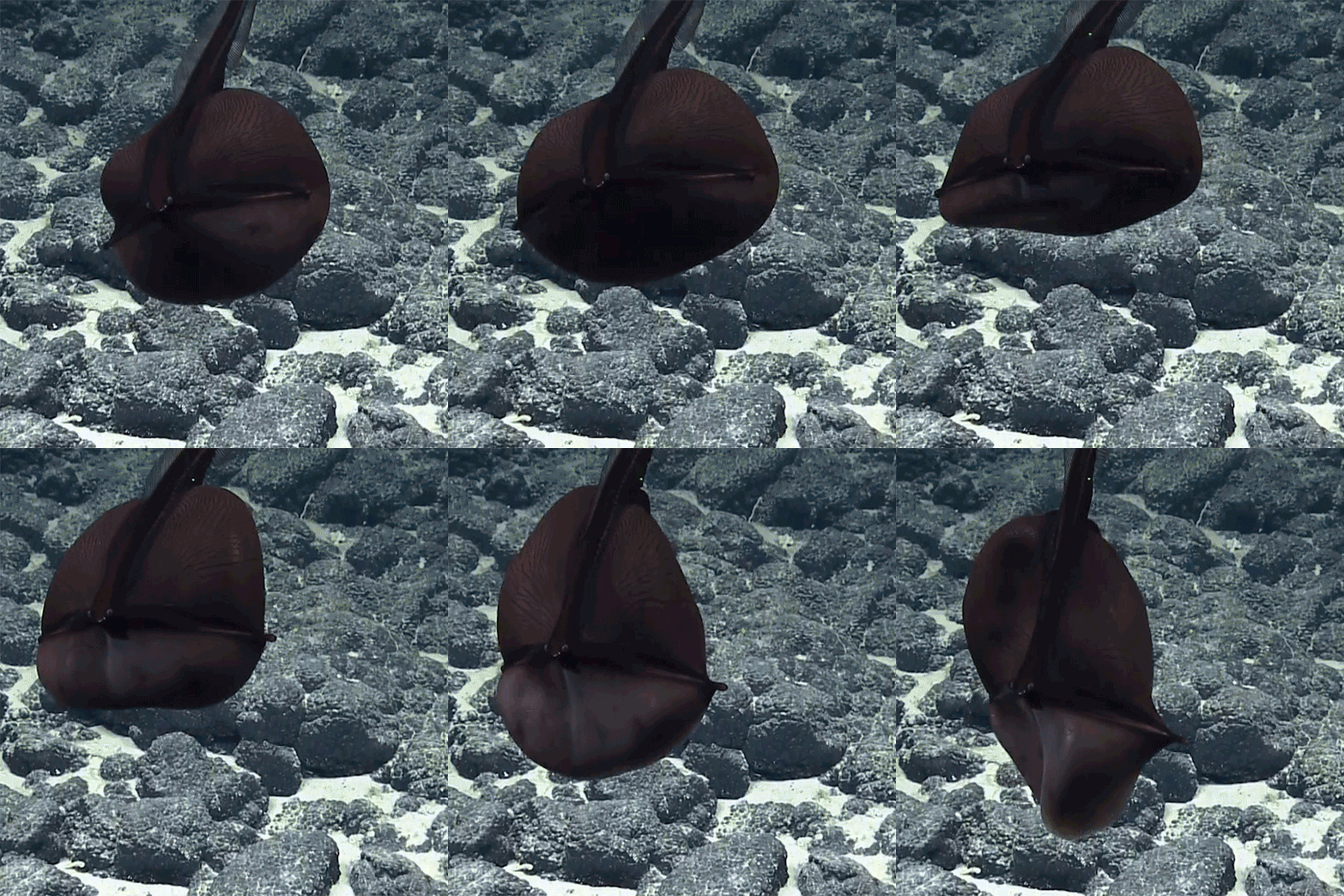
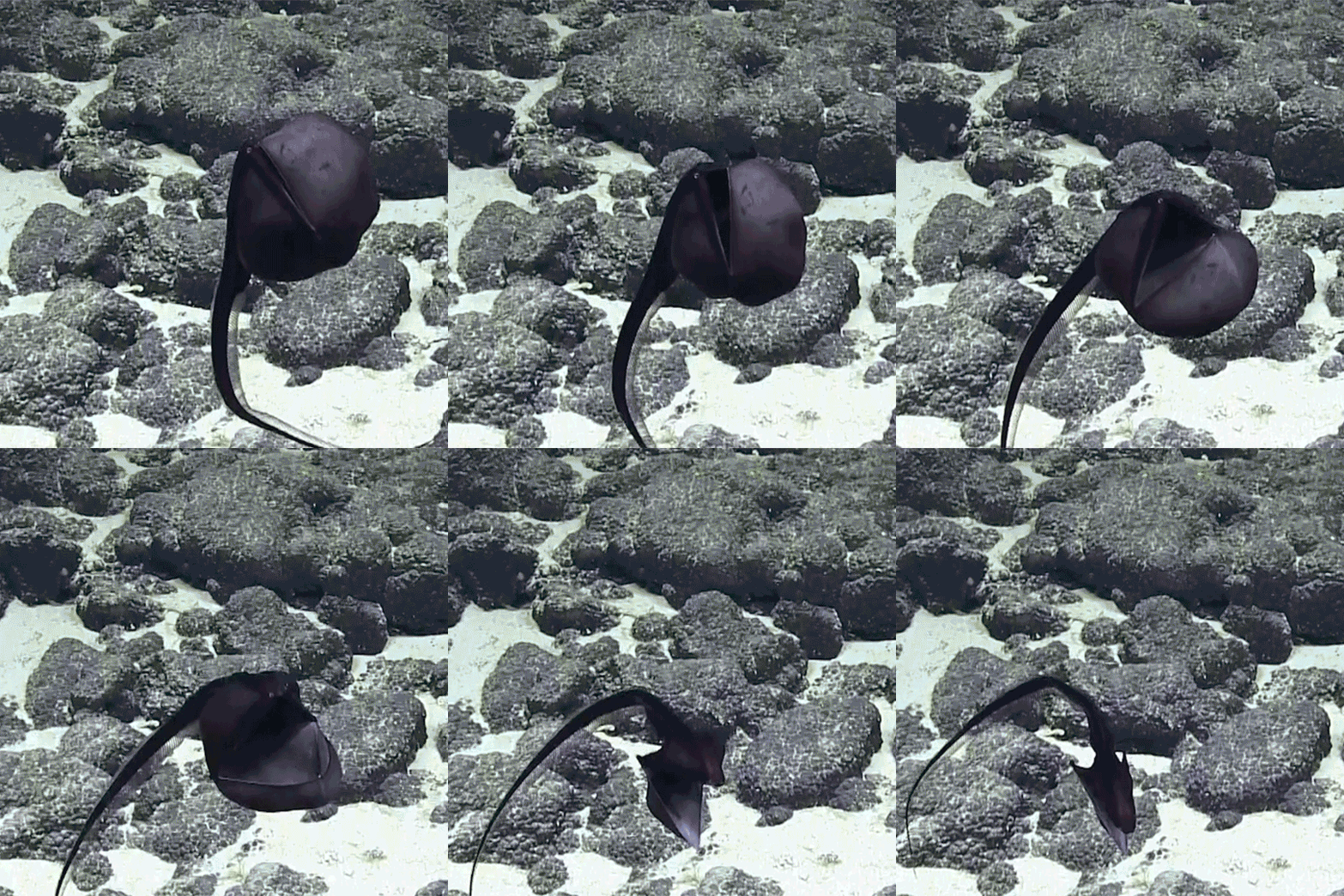
How did the gulper eel get its name? It’s easy to see here! The crew of the E/V Nautilus spotted this gulper eel (Eurypharynx pelecanoides) while exploring the deep waters of Papahānaumokuākea Marine National Marine Sanctuary. Gulper eels’ mouths work similarly to pelicans’, growing bigger rapidly so they can scoop up prey.
Need to see it again, more slowly? We’ve got you covered.
(Video: OET/NOAA)
[Video description: A gulper eel “inflates” its mouth while floating near the ocean bottom. GIFs are slowed-down parts of the video.]
On Saturday, October 20, NASA will host the ninth annual International Observe the Moon Night. One day each year, everyone on Earth is invited to observe and learn about the Moon together, and to celebrate the cultural and personal connections we all have with our nearest celestial neighbor.
There are a number of ways to celebrate. You can attend an event, host your own, or just look up! Here are 10 of our favorite ways to observe the Moon:
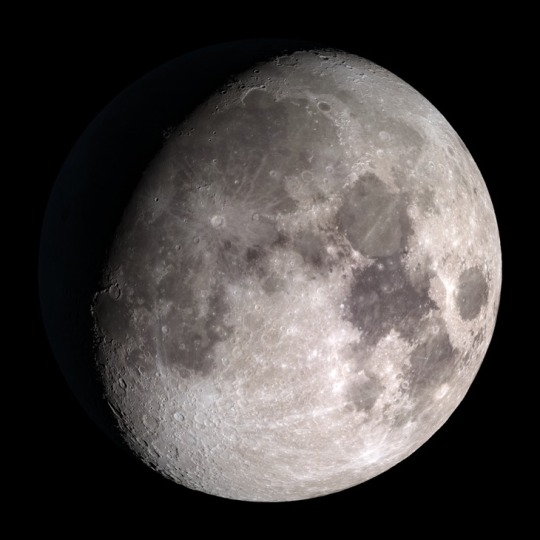
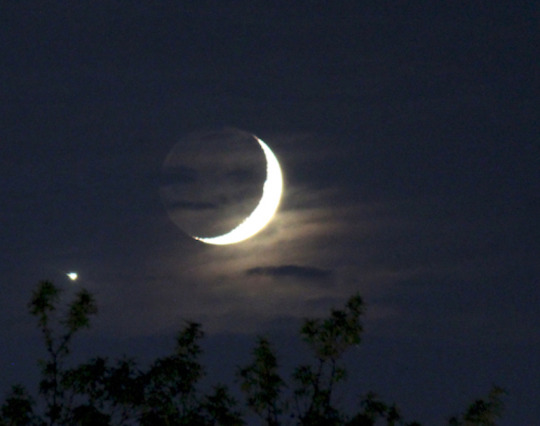
The simplest way to observe the Moon is simply to look up. The Moon is the brightest object in our night sky, the second brightest in our daytime sky and can be seen from all around the world — from the remote and dark Atacama Desert in Chile to the brightly lit streets of Tokyo. On October 20, the near side of the Moon, or the side facing Earth, will be about 80 percent illuminated, rising in the early evening.
The Moon and Venus are great targets for binoculars. Image Credit: NASA/Bill Dunford
With some magnification help, you will be able to focus in on specific features on the Moon, like the Sea of Tranquility or the bright Copernicus Crater. Download our Moon maps for some guided observing on Saturday.
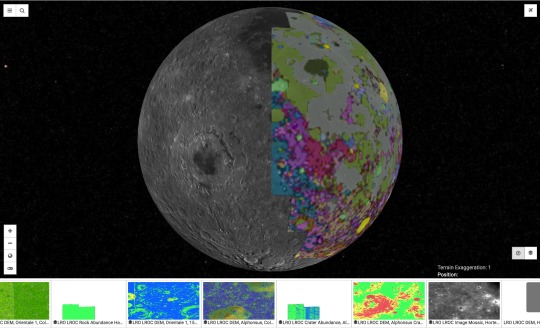
Plan a lunar hike with Moontrek. Moontrek is an interactive Moon map made using NASA data from our lunar spacecraft. Fly anywhere you’d like on the Moon, calculate the distance or the elevation of a mountain to plan your lunar hike, or layer attributes of the lunar surface and temperature. If you have a virtual reality headset, you can experience Moontrek in 3D.
5. Touch the topography
Image credit: NASA GSFC/Jacob Richardson
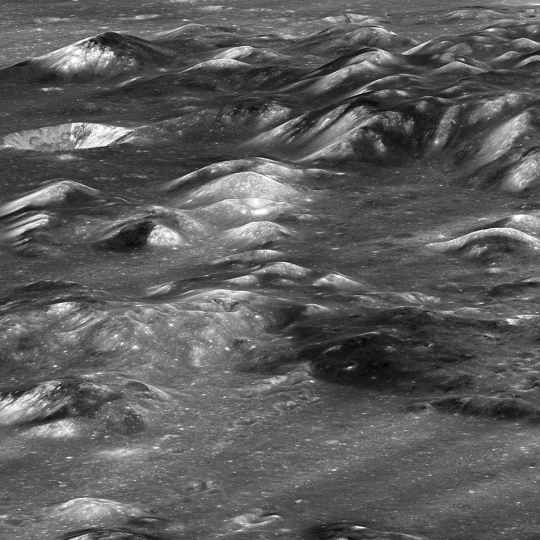
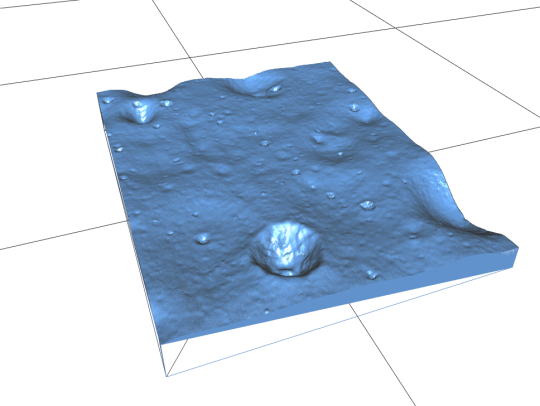
Observe the Moon through touch! If you have access to a 3D printer, you can peruse our library of 3D models and lunar landscapes. This model of the Apollo 11 landing site created by NASA scientist Jacob Richardson, is derived from LRO’s topographic data. Near the center, you can actually feel a tiny dot where astronauts Neil Armstrong and Buzz Aldrin left the Lunar Descent Module.
6. Make Moon art
Image credit: LPI/Andy Shaner
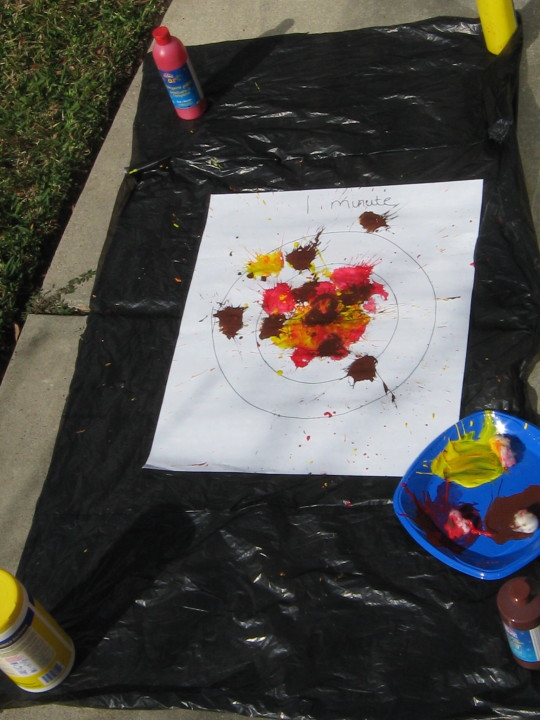
Enjoy artwork of the Moon and create your own! For messy fun, lunar crater paintings demonstrate how the lunar surface changes due to consistent meteorite impacts.
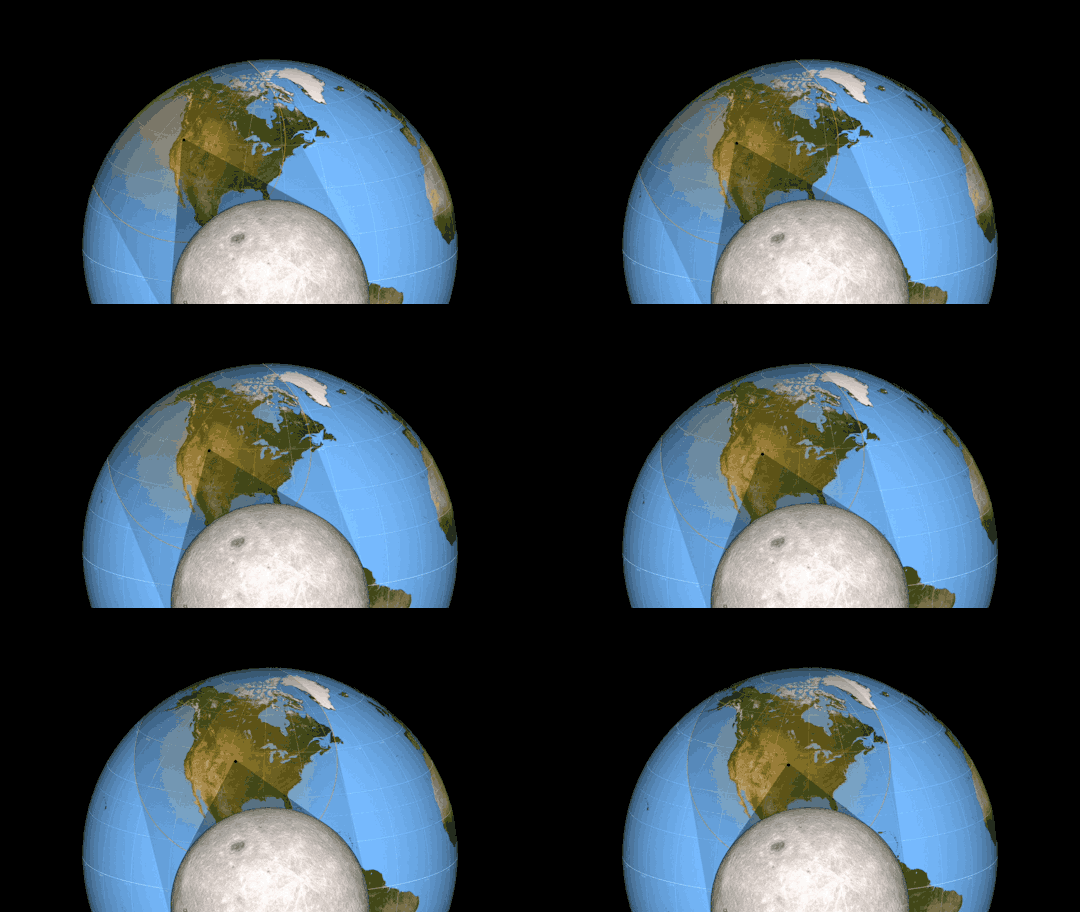
There are many movies that feature our nearest neighbor, from A Voyage to the Moon by George Melies, to Apollo 13, to the newly released First Man. You can also spend your evening with our lunar playlist on YouTube or this video gallery, learning about the Moon’s role in eclipses, looking at the Moon phases from the far side, and seeing the latest science portrayed in super high resolution. You’ll impress all of your friends with your knowledge of supermoons.
8. Listen to the Moon
Video credit: NASA’s Scientific Visualization Studio/Ernie Wright
Make a playlist of Moon songs. For inspiration, check out this list of lunar tunes. We also recommend LRO’s official music video, The Moon and More, featuring Javier Colon, season 1 winner of NBC’s “The Voice.” Or you can just watch this video featuring “Clair de Lune,” by French composer Claude Debussy, over and over.
9. See the Moon through the eyes of a spacecraft
Image credit: NASA/GSFC/MIT
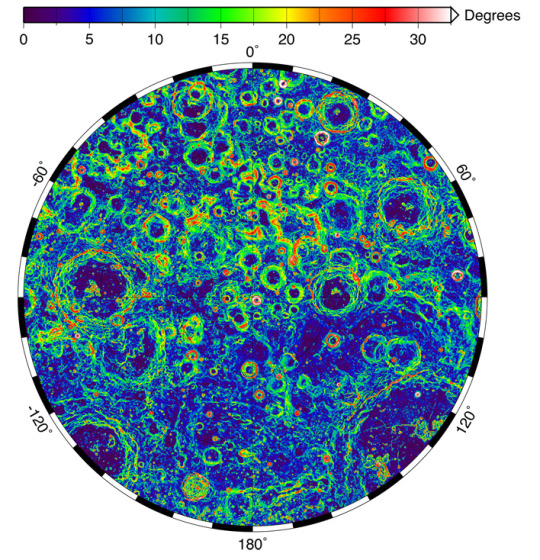
Visible light is just one tool that we use to explore our universe. Our spacecraft contain many different types of instruments to analyze the Moon’s composition and environment. Review the Moon’s gravity field with data from the GRAIL spacecraft or decipher the maze of this slope map from the laser altimeter onboard LRO. This collection from LRO features images of the Moon’s temperature and topography. You can learn more about our different missions to explore the Moon here.
10. Continue your observations throughout the year
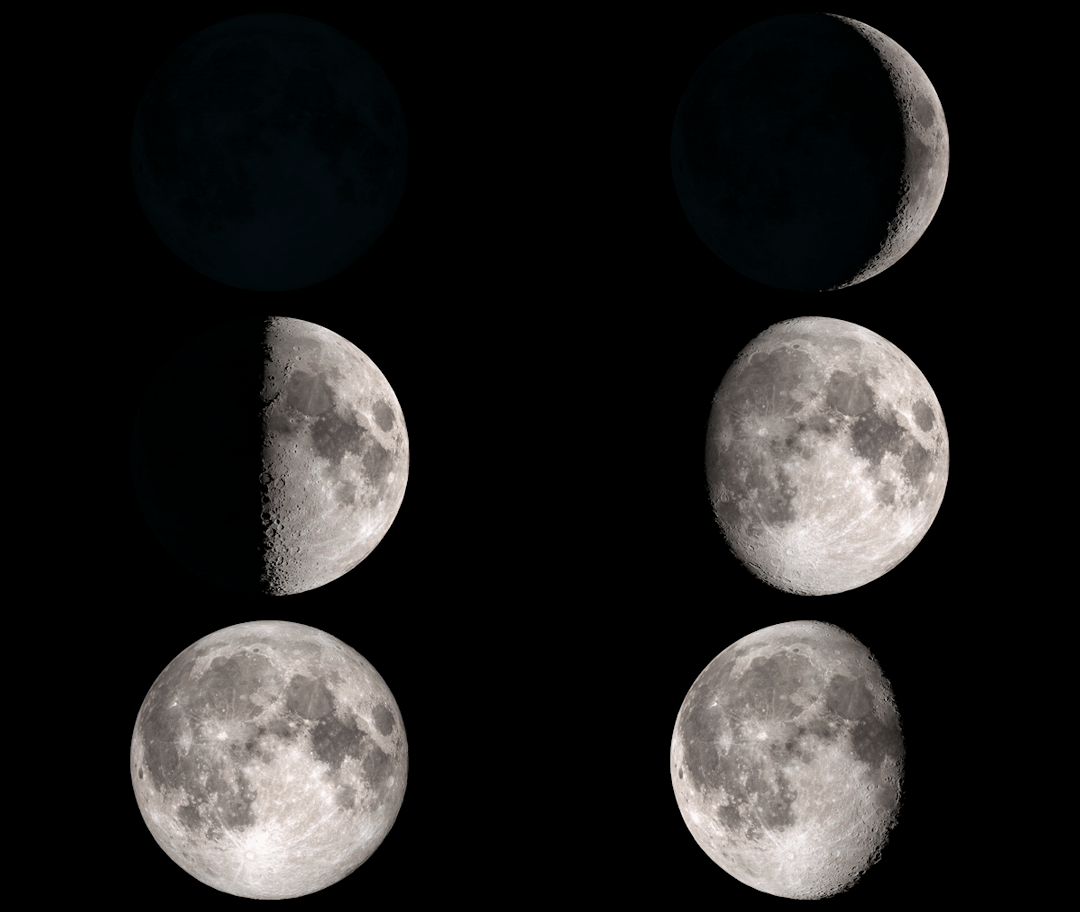
An important part of observing the Moon is to see how it changes over time. International Observe the Moon Night is the perfect time to start a Moon journal. See how the shape of the Moon changes over the course of a month, and keep track of where and what time it rises and sets. Observe the Moon all year long with these tools and techniques!
However you choose to celebrate International Observe the Moon Night, we want to hear about it! Register your participation and share your experiences on social media with #ObserveTheMoon or on our Facebook page. Happy observing!
Make sure to follow us on Tumblr for your regular dose of space: http://nasa.tumblr.com.
YOU GUYS BETTER APPRECIATE THE FUCK OUT OF THIS POST YOU HAVE NO IDEA HOW LONG IT TOOK ME TO COME UP WITH THIS LIST. FUCK EGGS. I’M NEVER EATING AN EGG EVER AGAIN














 The Perfect Scientist